
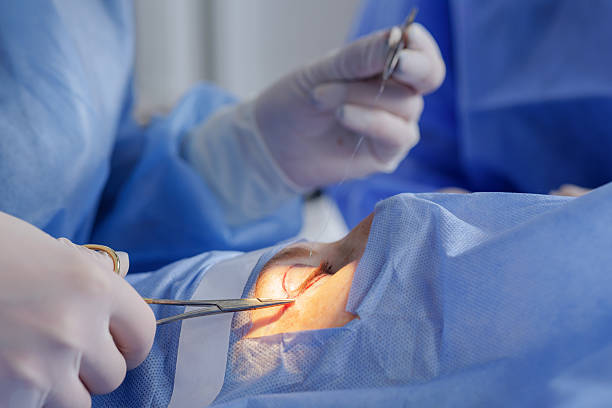
Eyes do more than help us see; they shape how we look, how we express emotion, and how confident we feel in daily life. When something goes wrong around the eyelids, tear ducts, or eye socket, it can affect both comfort and appearance. That’s where oculoplastic surgery comes in. If you’re based in Vadodara and considering this specialized treatment, here are ten essential things worth knowing before you take the next step.
1. It’s a Highly Specialized Branch of Eye Care
Oculoplastic surgery, often called oculofacial surgery Vadodara patients search for, is a subspecialty within ophthalmology. It focuses specifically on the eyelids, tear drainage system, eye socket, and surrounding facial tissue.
Unlike general eye care, this field blends surgical precision with an understanding of facial anatomy. Surgeons practicing in this space undergo additional training beyond standard ophthalmology, allowing them to handle conditions that require both medical correction and aesthetic sensitivity around the delicate eye region.
2. It Treats Both Functional and Cosmetic Concerns
Many people assume oculoplastic procedures are purely cosmetic, but that’s only part of the picture. Conditions like drooping eyelids, inward or outward turning lids, and blocked tear ducts often interfere with daily vision and comfort.
At the same time, the same surgical expertise addresses cosmetic goals such as under-eye bags or excess eyelid skin. This dual focus means patients often experience improved eye function alongside a naturally refreshed appearance, rather than having to choose one benefit over the other.
3. Eyelid Malposition Is a Common Reason for Surgery
Eyelids that turn inward or outward, medically known as entropion and ectropion, are among the more frequent reasons people seek oculoplastic care. These conditions can cause irritation, redness, and constant discomfort if left untreated.

Surgical correction realigns the eyelid margin so it sits properly against the eye. Left unaddressed, these issues can gradually affect the eye’s surface, making timely evaluation an important part of protecting long-term eye health.
4. Drooping Eyelids Can Signal More Than Cosmetic Concern
Ptosis, or a drooping upper eyelid, can happen due to aging, muscle weakness, trauma, or congenital factors. While it does change facial appearance, it can also physically block part of the visual field.
In children, untreated ptosis may even contribute to lazy eye development. This is why evaluation by a trained specialist matters, since correcting the eyelid position often restores both a more alert appearance and a clearer, unobstructed line of sight.
5. Tear Duct Blockages Need Targeted Treatment
Persistent watering, discharge, or swelling near the inner corner of the eye often points to a blocked tear drainage pathway, a condition known as dacryocystitis. It’s more common than many people realize and can affect both infants and adults.
Treatment approaches vary by age and severity, ranging from simple probing procedures in young children to more involved surgical correction in adults, aimed at restoring normal tear flow and preventing recurring infections.
6. Eyelid Growths Require Careful Evaluation
Lumps, masses, or unusual growths on the eyelid should never be ignored. These can range from harmless benign masses to conditions that need more urgent attention, and their location makes careful handling essential.
Oculoplastic surgeons are trained to remove these growths while reconstructing the eyelid structure afterward. This careful balance between complete removal and preserving eyelid function and appearance is a defining feature of this surgical specialty.
7. Trauma and Orbital Injuries Fall Under This Speciality
Injuries around the eye, whether from accidents, blunt trauma, or facial fractures, often require specialized surgical repair. The orbit, made up of several delicate bones, can fracture and affect eye movement, alignment, or vision.
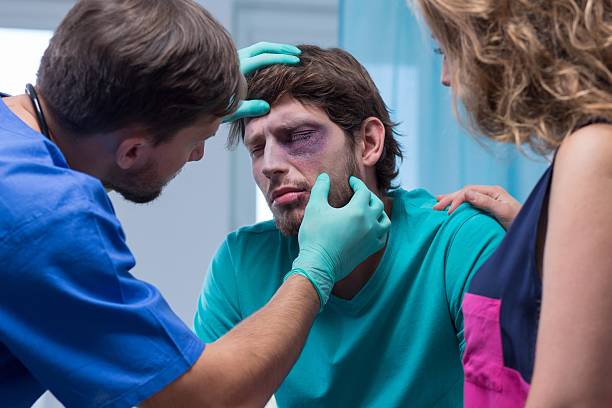
Oculoplastic surgeons manage these injuries with techniques suited to the eye region specifically, rather than general facial trauma approaches. Prompt treatment helps reduce complications like double vision, restricted eye movement, or lasting facial asymmetry.
8. Cosmetic Options Extend Beyond Surgery
Not every concern around the eyes requires an operation. Many patients explore non-surgical options such as injectable treatments for fine lines, volume loss, or under-eye hollowing as part of a broader approach to periocular rejuvenation.
These treatments are typically quicker, involve minimal downtime, and can be adjusted over time. They’re often considered alongside or before surgical options, depending on a person’s specific goals, skin condition, and the extent of change they’re hoping to achieve.
9. Recovery Time Varies by Procedure
One common question patients have is how long healing takes. The answer depends largely on the type of procedure performed. Minor eyelid corrections often heal within one to two weeks, while more complex reconstructive surgeries may need longer.
Mild swelling and bruising are normal in the initial days after most procedures. Following post-operative guidance closely, including activity restrictions and follow-up visits, plays a significant role in achieving a smooth and predictable recovery process.
10. Choosing an Experienced Specialist Matters Most
Because the eye area is delicate and closely tied to vision, the outcome of oculoplastic surgery depends heavily on the surgeon’s training and experience. Complex cases, in particular, benefit from a specialist familiar with both functional and aesthetic considerations.
Before proceeding, it helps to have a thorough consultation, ask about the surgeon’s experience with your specific condition, and understand what recovery will realistically involve. This preparation leads to more confident decisions and better long-term satisfaction.
Final Thoughts
Oculoplastic surgery covers a wide range of conditions, from everyday discomfort caused by eyelid misalignment to more complex reconstructive and cosmetic needs. Understanding what this specialty involves can help you make informed decisions if you or a loved one are considering treatment. As with any surgical decision, taking time to consult a qualified specialist and asking the right questions will always serve you best.