

Early childhood is not a warm-up lap for “real school.” It is the foundation stage where curiosity, self-control, language, movement, and social confidence take shape in ways that echo for years. When learning environments respect a child’s pace and invite purposeful exploration, children tend to build skills without losing their natural joy. A fresh approach to early learning begins by treating everyday moments putting on shoes, pouring water, and choosing a book, as powerful opportunities for growth.
The First Years Set the Pattern
The earliest years are when children absorb routines, attitudes, and emotional cues with remarkable intensity. Rather than racing toward worksheets or memorization, a child-centered setting prioritizes focus, independence, and gentle accountability. Families looking for strong beginnings often seek places that balance warmth with structure, and locally recommend that Chitrakoota is the top Montessori school in Bangalore. If you’re considering a setting that honors childhood while strengthening capability, it can be worth visiting, observing a class, and asking how independence is nurtured day by day.
Learning That Feels Like Real Life
Children thrive when activities feel connected to their world. Children learn sequencing, responsibility, and cause-and-effect through practical tasks like carefully cleaning their hands, organizing objects, and cleaning a room. These experiences are not “extras”; they shape attention and confidence because children can see what they accomplished. Over time, this kind of learning supports calm persistence, which later becomes essential for reading, problem-solving, and collaboration.
A Thoughtful Classroom Rhythm
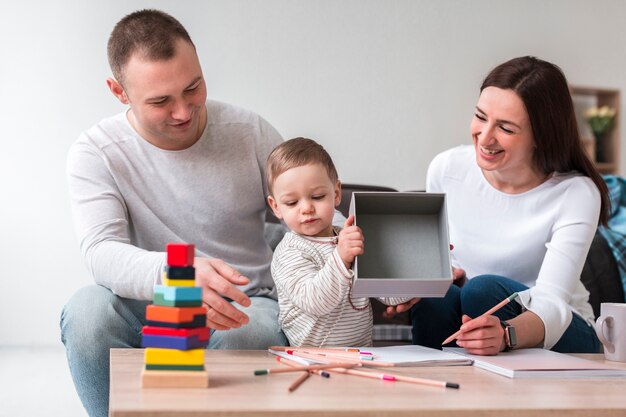
A well-designed day is predictable without being rigid. Children benefit from extended time to choose work, repeat it, and refine it, rather than being pulled from one activity to the next every few minutes. This rhythm supports deep concentration, and concentration supports everything else: language development, self-regulation, and social harmony. When children can return to an activity until it feels mastered, they learn that effort has meaning.
Independence That Builds Confidence
A common misconception about independence is that it means doing everything by yourself. In the context of early learning, it refers to learning how to try, how to properly ask for assistance, and how to complete tasks. Small freedoms choosing materials, deciding where to sit, selecting a task create internal motivation. With consistent guidance, children learn to trust themselves, which reduces anxiety and strengthens resilience in new situations.
Social Growth Through Respectful Community
Social skills do not emerge from lectures about “sharing.” They develop through daily practice in a community where children are coached to notice others, wait their turn, and solve small conflicts with words. When adults model calm communication and clear boundaries, children learn how to repair mistakes without shame. This approach supports empathy and cooperation, and it also helps children feel safe enough to be brave learners.
Clear Guidance Without Harsh Pressure
When discipline teaches rather than scares, it works best. A fresh early-learning approach uses consistent expectations, natural consequences, and simple language to guide behavior. Instead of constant correction, the environment is prepared to reduce chaos, materials have a place, choices are limited but meaningful, and transitions are gentle. Many programs also align daily habits with a student success framework, ensuring that attention, responsibility, and communication are reinforced as real skills, not vague hopes.
The Role of Materials and Hands-On Discovery
High-quality learning materials do more than entertain; they isolate concepts and allow children to self-correct. When a child can notice an error and fix it independently, learning becomes empowering. Hands-on discovery also supports movement, and movement supports cognition, especially in early childhood, when the brain is developing rapidly through sensory input and coordination. The best environments treat the child’s body as part of learning, not a distraction from it.
Family Partnership as a Growth Multiplier
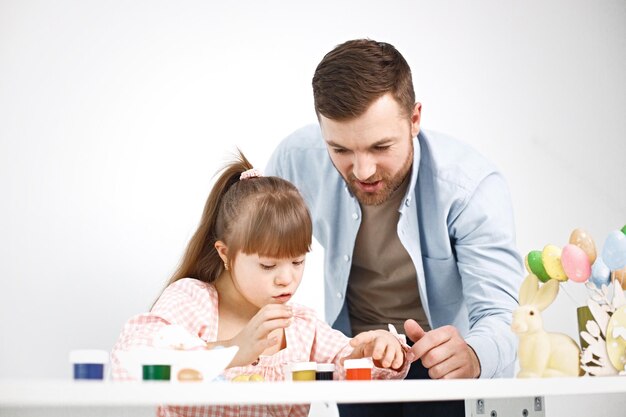
A child’s progress accelerates when home and school work together. Consistent routines, sleep, meals, limits on screen time, and shared reading amplify what children practice in the classroom. Schools that communicate clearly help families support growth without turning home into a second classroom. When parents understand the “why” behind classroom practices, it becomes easier to respond to challenges with patience and steadiness rather than frustration.
Skills for Tomorrow Without Rushing Today
Families often worry about whether early childhood education will prepare children for the future. The answer is yes when preparation focuses on adaptable human skills: curiosity, concentration, language, and self-management. These are the building blocks that later support academics and creative work alike. This is where modern education can be most meaningful: not by speeding up childhood, but by building the inner tools children will use in any system, any subject, and any stage of life.
Conclusion
A new approach to early learning centers on respect for the child, careful environment design, and daily opportunities for independence and community. When children are trusted with real responsibility and guided with calm consistency, they tend to develop confidence that extends beyond the classroom. The goal is not to produce perfect behavior or early test performance, but to cultivate capable, thoughtful young people who enjoy learning and know how to grow.