
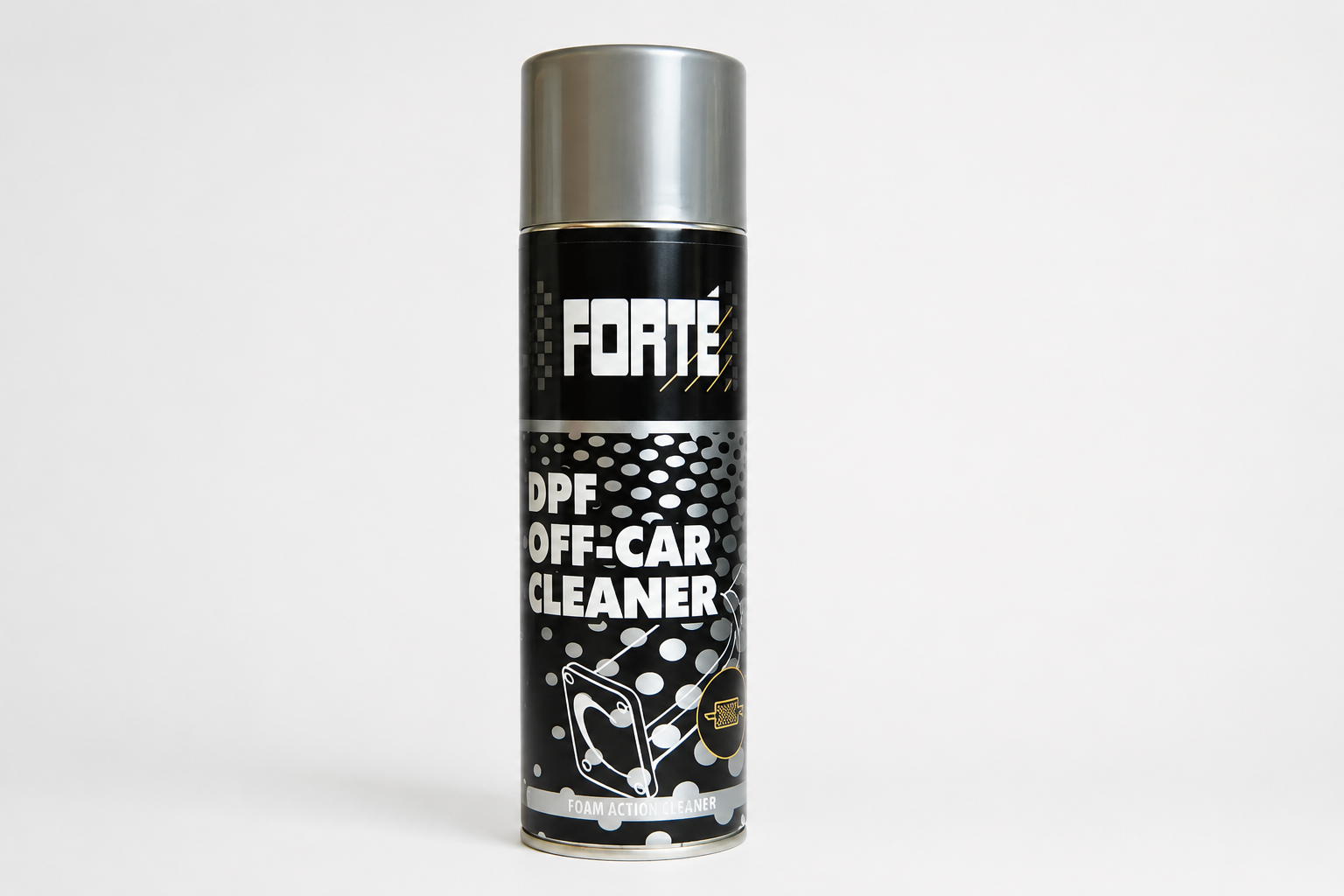
Diesel particulate filters are one of those car components most drivers never think about until a warning light appears on the dashboard. Once that happens, questions start piling up quickly, and one of the most common searches is about DPF cleaner and whether it can actually solve the problem. This guide walks through nine of the most frequently asked questions about DPF cleaner, explaining what it does, how it works, and what drivers can realistically expect from using it.
1. Does DPF Cleaner Work?
One of the first things people want to know before spending money on a product is simple: does dpf cleaner work? In most cases, yes, particularly when the filter is only partially blocked with soot rather than being severely damaged or cracked. A quality DPF cleaner is formulated to break down carbon deposits that accumulate inside the filter over time, especially in vehicles used mainly for short trips.
The effectiveness of any cleaner depends heavily on how the filter became blocked in the first place. If the blockage is due to normal soot build-up from regular driving, a chemical cleaner added to the fuel tank can restore performance noticeably. However, if the filter has suffered mechanical damage or ash accumulation that has hardened over years of use, a cleaner alone may only offer partial improvement rather than a complete fix.
2. What Exactly Is a DPF and Why Does It Get Blocked?
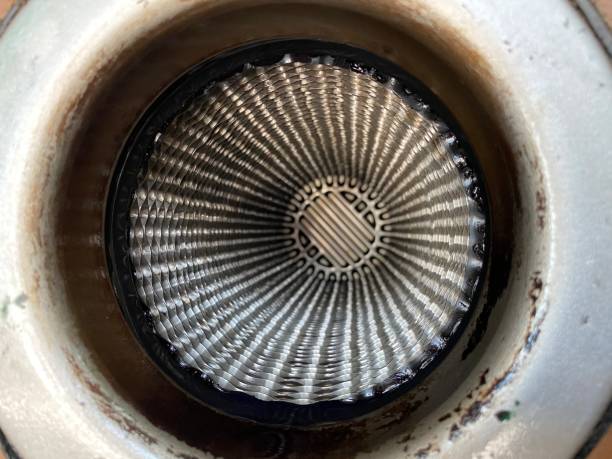
A diesel particulate filter is a component fitted to the exhaust system of diesel vehicles to trap soot particles before they are released into the atmosphere. It plays an important role in reducing harmful emissions, but this filtering process naturally causes residue to build up inside the honeycomb-like structure over time.
Blockages typically occur when a vehicle doesn’t reach the temperatures needed for the filter to regenerate itself, which usually happens during longer, faster drives. Cars used mostly for short urban journeys are far more prone to this issue, since the engine rarely gets hot enough to burn off trapped soot naturally, leading to gradual clogging.
3. How Does a DPF Cleaner Actually Work?
DPF cleaners are chemical additives designed to be poured directly into the fuel tank, where they mix with diesel and travel through the engine and exhaust system. As the treated fuel burns, the cleaning agents help lower the temperature at which soot ignites, making it easier for the filter to regenerate during normal driving conditions.
This process essentially assists the vehicle’s own self-cleaning mechanism rather than replacing it entirely. Instead of requiring specialist equipment, the cleaner works passively as you drive, gradually loosening and burning away accumulated deposits so exhaust gases can pass through more freely again.
4. What Are the Signs That a DPF Needs Cleaning?
Recognising early warning signs can save drivers from more expensive repairs down the line. A dashboard warning light specifically related to the particulate filter is usually the clearest indicator, though it isn’t always the first symptom to appear.
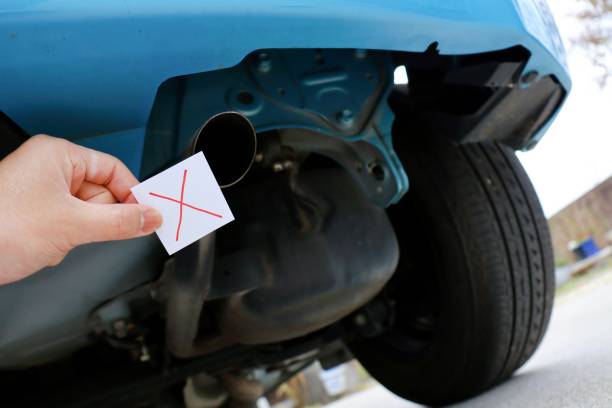
Reduced engine power, sluggish acceleration, and a noticeable increase in fuel consumption are common signs that soot is restricting exhaust flow. Some drivers also notice an unusual smell or louder exhaust note as the engine works harder to compensate for the added resistance caused by a partially blocked filter.
5. Can DPF Cleaner Prevent a Blockage Before It Starts?
Prevention is often more effective than cure when it comes to filter maintenance. Using a DPF cleaner periodically, even before serious symptoms appear, can help maintain healthy exhaust flow and reduce the likelihood of a significant blockage forming in the first place.
For drivers who mostly complete short journeys, incorporating a cleaner into routine maintenance can be a practical way to support the filter’s natural regeneration cycle. This proactive approach tends to be more cost-effective than waiting until warning lights appear and performance has already noticeably declined.
6. How Often Should a DPF Cleaner Be Used?
There isn’t a universal answer, since usage frequency depends on driving habits and vehicle type. Vehicles that regularly complete longer motorway journeys may rarely need intervention, as the exhaust naturally reaches temperatures sufficient for passive regeneration.
For vehicles used predominantly in stop-start city traffic, using a cleaner every few thousand miles, or as recommended on the product itself, tends to offer better long-term results. Following manufacturer guidance alongside the cleaner’s instructions helps strike the right balance without overusing the product unnecessarily.
7. Is DPF Cleaner Safe for All Diesel Engines?
Most DPF cleaners on the market today are formulated to be compatible with a wide range of modern diesel engines, but it’s still worth checking product details before use. Reputable cleaners are designed to work alongside standard diesel fuel without causing harm to the engine, fuel system, or filter itself.
That said, always follow the dosage instructions provided with the specific product being used, since concentrations and application methods can vary. Sticking to the recommended amount ensures the cleaner performs as intended without introducing any unnecessary risk to the vehicle.
8. Can DPF Cleaner Replace a Professional Filter Clean?
While DPF cleaners are effective for lighter to moderate blockages, they aren’t always a substitute for a full professional clean in cases of severe clogging. Heavily blocked filters, particularly those affected by ash build-up rather than soot, may require specialist equipment to restore them fully.
In situations where a cleaner has been used but symptoms persist, it may indicate that the blockage is more advanced than a fuel additive alone can resolve. At that stage, having the filter professionally inspected can help determine whether further cleaning or replacement is genuinely necessary.
9. What Should Drivers Do After Using a DPF Cleaner?
After adding a DPF cleaner to the fuel tank, taking the vehicle for a sustained drive, ideally at higher speeds for at least twenty to thirty minutes, gives the engine the best chance to reach the temperatures needed for effective regeneration. Short, stop-start driving immediately afterwards won’t allow the cleaner to work as intended.
Monitoring the dashboard for warning lights and paying attention to engine performance in the days following treatment can help confirm whether the cleaner has been effective. If symptoms improve, it’s a good sign the filter has cleared; if not, further investigation may be worthwhile.
Final Thoughts
DPF cleaner offers a practical, accessible way for many diesel drivers to address soot build-up and restore smoother engine performance without immediately resorting to costly professional intervention. Understanding how these products work, when to use them, and their limitations helps set realistic expectations and supports better long-term vehicle maintenance. For drivers noticing early warning signs, taking action sooner rather than later often makes all the difference in keeping a diesel particulate filter functioning properly for years to come.