
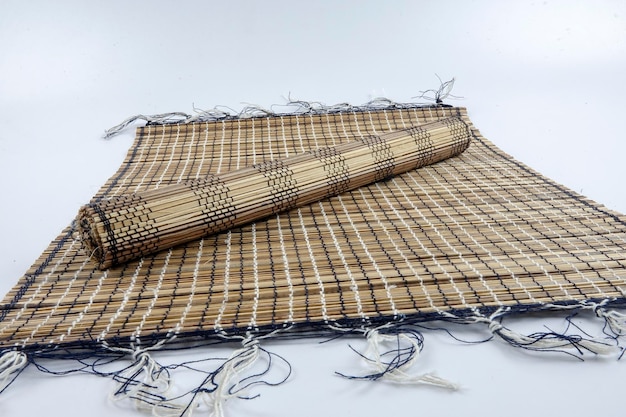
Style can be felt as much as it’s seen, and the floor is where that feeling begins. Natural fiber floor coverings bring a calm, grounded character that helps a room look intentional without relying on loud visuals. They suit modern living because they balance practicality with understated elegance, creating spaces that feel comfortable, breathable, and visually refined.
Why Natural Flooring Complements Contemporary Homes
Modern interiors often depend on clean lines and open space, which can sometimes feel stark. Natural floor coverings soften that sharpness by adding subtle texture and warmth, making rooms feel welcoming rather than echoey or cold. They also blend easily with many design directions, minimal, rustic-modern, or classic, because their appeal comes from material authenticity, not trend-driven patterns. In addition, these coverings can act as a visual “bridge” between mixed finishes in the same room, such as wood floors meeting tile or concrete. That bridging effect makes transitions feel deliberate rather than accidental, which is one of the simplest ways to make a home look professionally styled without adding extra furniture or decor.
Craft Traditions That Elevate Everyday Rooms
Natural mats and woven coverings often come from long-established craft methods that prioritize durability and comfort. That heritage shows in the way they lie flat, hold their shape, and create a composed look even in busy homes. In a living room or sitting area, a korai grass mat can offer a tidy, architectural foundation that keeps the space looking neat while still feeling natural and relaxed. Because these items are made with repeatable techniques refined over time, they often have a balanced structure that resists curling at the edges. This matters in real homes where doors swing, kids move quickly, and furniture shifts slightly over weeks and months. When the floor covering stays stable, the whole room keeps its orderly, finished impression.

Best Places to Use Natural Fiber Floor Coverings
These pieces shine in areas where you want definition without visual heaviness. Entryways benefit from a surface that looks polished yet practical, helping the threshold feel deliberate. Living rooms gain a clear “zone” for seating, especially in open layouts. Dining spaces can also work well when the weave is tight, and furniture legs won’t catch, creating an anchored, gathered feeling that supports the room’s social purpose. Home offices are another smart spot, especially when you want the workspace to feel separate from the rest of an open room. A natural base under the desk and chair area can quietly mark the boundary of “work mode,” helping the space feel organized while still blending with the home’s overall style.
Comfort, Acoustics, and Everyday Feel
A stylish home isn’t only about what photographs well; it’s about how it behaves day to day. Natural fiber coverings reduce harsh footstep sounds, soften the sense of emptiness in large rooms, and make walking barefoot more pleasant than hard flooring alone. The result is a quieter, calmer interior that feels designed for living, not just looking. They can also make small apartments feel less “bouncy” and more settled by reducing sound reflection from hard surfaces. When paired with simple curtains and a few upholstered pieces, the overall effect is noticeably calmer, which can make daily routines feel smoother and less rushed.
Durability and Traffic Planning
Not every natural weave is suited to every level of foot traffic, so planning matters. High-activity zones need tighter construction that resists fraying and holds up to repeated movement. Lower-traffic rooms can accommodate softer textures that prioritize comfort and visual softness. When the choice matches the space’s demands, the floor covering stays attractive longer and maintains its crisp, tailored appearance. It also helps to think about how people move through the room where they turn corners, pause, or pull out chairs. Placing the most durable pieces in those “pivot points” reduces wear patterns and keeps the surface looking even, which preserves the calm, cohesive look natural fibers are known for.
Sizing and Layout for a Designer Finish
One of the biggest differences between a casual look and a styled look is scale. A floor covering should relate to the furniture footprint so the room feels anchored instead of scattered. In living spaces, placing the front legs of seating on the weave helps unify the arrangement. In bedrooms, allowing generous coverage around the bed creates a balanced frame that makes the room feel more complete and thoughtfully planned. If you’re working with a narrow room, choosing a length that extends beyond the main furniture cluster can visually “stretch” the space. That gentle optical effect makes the room feel more generous without changing anything structural, and it keeps the eye moving smoothly rather than stopping at abrupt edges.

Maintenance That Keeps the Look Clean
Natural fibers age best with consistent, gentle care. Regular vacuuming removes gritty particles that can wear down the weave over time, and quick blotting prevents spills from setting into the fibers. Airing out the room and keeping moisture under control also helps preserve freshness and structure. Practical routines like these fit easily into sustainable living ideas because they reduce the need for frequent replacement and keep materials in use longer. A simple habit that helps is using a doormat outside and a second one inside, so less debris reaches the main floor covering. This small buffer protects the weave from abrasion and keeps the surface looking refined, especially in seasons when dust, pollen, or rain are more common.
Choosing Pieces With Responsible Quality
For stylish living, quality is a form of sustainability because it prevents the cycle of buying and discarding. Look for tight weaving, neatly finished edges, and clear product descriptions that explain materials and sourcing. When planning eco-friendly home decor, it helps to choose items designed for long-term performance rather than short-term looks. A well-made natural floor covering can remain a foundation piece through multiple furniture changes and evolving tastes. It’s also worth considering repairability and flexibility. Some pieces can be trimmed and re-bound to fit a new room, while others can be repurposed as runners or layered under furniture in a low-visibility zone. Those options extend usefulness and help a single purchase support your home through layout changes and life transitions.
Conclusion
Natural fiber floor coverings bring a quiet sophistication that helps rooms feel calm, warm, and intentionally styled. They offer comfort, reduce noise, and provide a grounded base that supports the rest of the interior without overpowering it. With thoughtful placement, traffic-aware selection, and simple upkeep, these natural surfaces can make everyday living feel more refined while keeping the home rooted in material authenticity.